SLP Rubber Airbag Captures Attention at Inamarine 2025

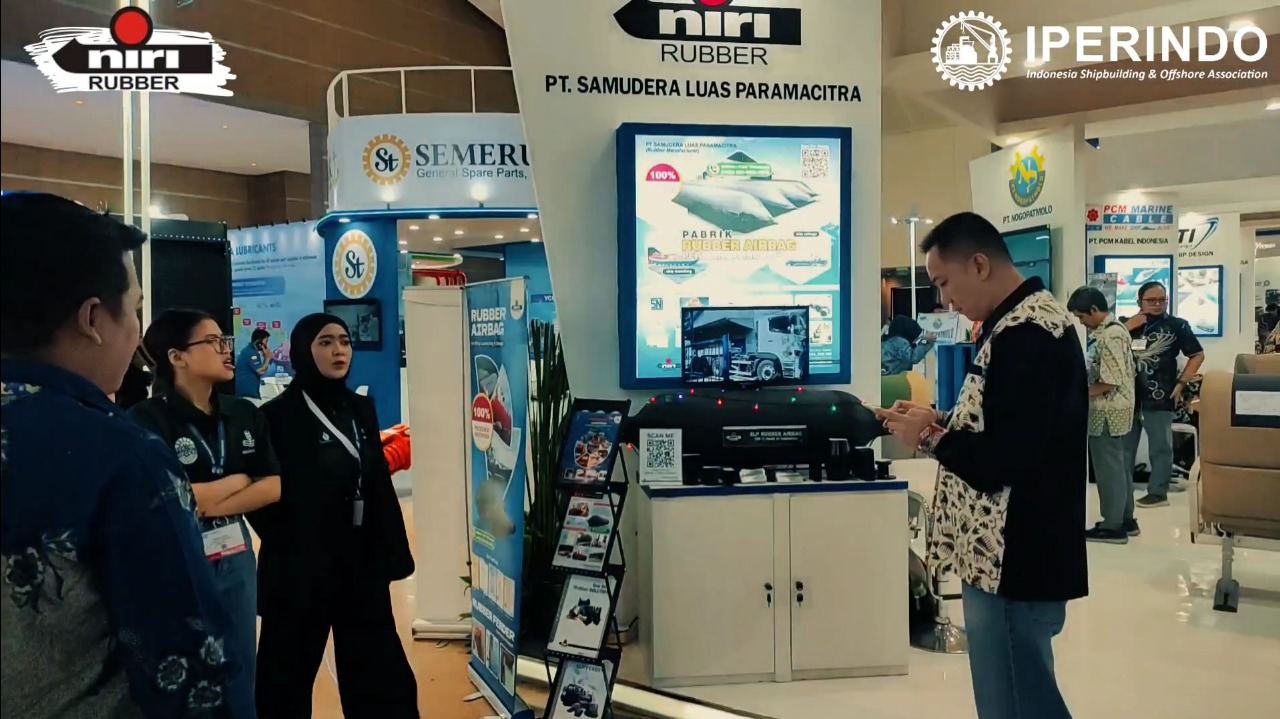
The flagship product of Samudera Luas Paramacitra (SLP), the rubber airbag, successfully captured the attention of maritime industry players at the Inamarine 2025 exhibition held at JIExpo Kemayoran from July 29 to 31, 2025.

This largest maritime exhibition in Indonesia was officially opened by the Coordinating Minister for Infrastructure and Regional Development, Agus Harimurti Yudhoyono (AHY). In his speech, AHY emphasized the importance of synergy between public policies and private innovations, especially in the transportation and maritime sectors. He stated that this sector is the foundation of national development and must continue to be encouraged to enhance Indonesia’s global competitiveness. The Inamarine forum is a strategic venue for collaboration between the government and industry players.

SLP responded to this challenge by showcasing its high-quality rubber airbag product, specially designed for ship launching and lifting needs. The product attracted a lot of attention, especially from shipyard companies both domestically and internationally.

With its ability to support heavy loads, high flexibility, and durability in extreme conditions, the SLP Rubber Airbag is an efficient and modern solution for the ship docking and launching process. Many visitors immediately scheduled further technical discussions outside the exhibition.

Anita Puji Utami, the Chairperson of IPERINDO (Indonesian Shipbuilding and Offshore Industry Association), welcomed the presence of new products from SLP at Inamarine 2025. She highly appreciated the SLP Rubber Airbag as the first 100% locally made product from Indonesia. This product will strengthen the shipbuilding industry in particular and the maritime industry in general.

In addition to the rubber airbag, SLP also introduced other leading products at Inamarine 2025, such as rubber fenders and mooring bollards. All are designed to support smooth and safe mooring systems as well as dock protection.

SLP’s presence at Inamarine 2025 is proof that local companies can compete globally. With quality, innovation, and the spirit of building the national industry, SLP demonstrates that the future of Indonesia’s maritime industry lies in the hands of the nation’s children.

SLP Participate in INAMARINE 2025

PT Samudera Luas Paramacitra (SLP) will take part in INAMARINE 2025, which will be held from July 29 to 31, 2025 at JIExpo Kemayoran, Jakarta. SLP will be present at IPERINDO Booth No. 24.

INAMARINE is an international exhibition and business forum in the maritime, shipping, and offshore sectors. INAMARINE 2025 aims to strengthen the competitiveness of the national maritime industry, expand business networks, and showcase the latest technologies and innovations from around the world. The event also serves as a platform for discussions on policy, investment, and technical collaboration among business players, government institutions, and industry associations.

Over the course of three days, INAMARINE 2025 will feature:

  • An international trade exhibition in the fields of shipping, offshore, marine logistics, ports, and fisheries.
  • Industry seminars and forums, discussing government policies, technology trends, and strategic global maritime issues.
  • Business matching and networking sessions, connecting potential business partners and investors.
  • Product and technology demonstrations, including heavy equipment, marine technology, and port digitalization solutions.

INAMARINE 2025 will host over 500 exhibitors from various countries, including Indonesia, South Korea, Japan, China, Singapore, the Netherlands, and Germany. These participants include ship and maritime component manufacturers, port and offshore service providers, marine logistics and offshore energy companies, marine technology and system suppliers, as well as government agencies and industry associations.

At this exhibition, PT Samudera Luas Paramacitra is ready to showcase a wide range of flagship products for various port, shipping, and national infrastructure construction projects, including:

  • Rubber Fender – a solution for protecting docks and vessels from impact.
  • Rubber Airbag – an efficient and cost-effective technology for ship launching and docking.
  • Elastomeric Bearing Pad – a crucial component for bridges and building structures, offering flexibility and resistance to dynamic loads.
  • Mooring Buoy – floating devices used to moor vessels in open waters.
  • Mooring Bollard – a mooring device used at ports, designed to withstand high tensile loads.

Additionally, visitors are welcome to consult directly with SLP’s technical team regarding product needs for various maritime and port projects, including custom solutions for specific applications.

Feel free to visit PT Samudera Luas Paramacitra at IPERINDO Booth No. 24.

Installing Expansion Joints Properly

In construction projects, especially in multi-story buildings or bridges, the use of expansion joints becomes an important element. Expansion joints are installed at structural joints to accommodate movement due to temperature changes, loads, vibrations, or ground shifts.
To function optimally, the selection and installation of expansion joints must be meticulous. The selection of the appropriate expansion joint rubber depends on several factors, including:

  • Type of building. Expansion joints in bridges, high-rise buildings, factory floors, or parking areas each have different technical requirements.
  • Gap size. The width of the expansion and contraction gap that needs to be sealed determines the dimensions and type of rubber required.
  • Load. In areas with high traffic or heavy loads, use expansion joints that have high resistance to pressure and wear.
  • Quality materials. Make sure the rubber is made from elastic material, resistant to extreme weather, and chemicals (if necessary).
  • Certification and standards. Choose products that meet national and international technical standards, such as SNI (Indonesian National Standard) or ISO.
    Before installation, it is important to prepare by cleaning the gap area from dust, oil, and dirt so that the rubber can adhere properly. Ensure that the concrete or steel surface is flat and dry. Don’t forget, if necessary, prepare special adhesive and installation aids such as a press or roller.
    In the process of installing the expansion joint, follow these general steps:
  • Cut the rubber according to the length of the gap that needs to be closed. Re-measure to ensure precision in the result.
  • For small-scale projects, installation can be done manually by hand, while for large-scale projects, use a press tool. Press the rubber until the entire part fits evenly into the gap.
  • Make sure the rubber does not have wrinkles or is not rolled up. Make adjustments if there are parts that are not perfectly installed. If necessary, apply sealant on the rubber side to prevent water or dirt from entering.
  • After installation, conduct routine inspections to ensure the rubber continues to function properly. Check for any damage, tears, or detachment from the surface.
    Samudera Luas Paramacitra produces a variety of high-quality expansion joints in accordance with ISO 9001 quality management standards. For orders and consultations, please contact +62-823-2018-9998 or email admin@niri-rubber.com.

Sixty Years Serving the Maritime, Construction, and Manufacturing Industries

PT Samudera Luas Paramacitra (SLP) is a manufacturer specializing in providing technical rubber products for construction, infrastructure, and industrial needs. With experience and expertise in industrial rubber engineering, SLP plays a vital role in supporting the development of various crucial projects, ranging from ports, bridges, dams, buildings, to the agricultural sector.

Since 1960, SLP has been producing various rubber-based products designed for heavy-duty applications and extreme environments, such as high dynamic loads, water pressure, vibrations, and temperature changes. Some of the flagship products include:

Rubber Fender
Used on dock and port structures to absorb ship collision energy, protecting both concrete structures and ships from damage.

Marine Air Bag
Pressurized rubber balloons used for ship launching and docking, as well as lifting heavy structures at sea.

Elastomeric Bearing Pad
Rubber bearings used on bridge structures and flyover roads to dampen vibrations and allow thermal and structural movement.

Rubber Expansion Joint
Elastic components installed between the joints of bridges or concrete roads to accommodate movement due to temperature changes and loads.

Water Stop
Rubber products installed in concrete joints to prevent water leakage, commonly used in dams, drainage channels, and basements.

Rubber Sheet
Versatile rubber sheets used for gaskets, vibration dampening, wear-resistant linings, and other technical applications.

Rubber Articles and Machine Components
Rubber-based machine components such as rubber seals, bushings, rubber rolls, and valves. SLP also manufactures rubber rolls, a key component in rice milling machinery.

Adopting the ISO 9001 quality management system, all products are made to high standards of quality, resistant to extreme weather, corrosion, and heavy mechanical stress—making them suitable for large-scale infrastructure projects.

SLP focuses on the B2B market, serving contractors, port operators, manufacturers, and industrial suppliers, both state-owned enterprises (BUMN) and private companies.

In serving its clients, SLP does not merely sell products but offers solutions. Therefore, SLP adopts a marketing approach that emphasizes technical credibility and long-term partnerships. The marketing strategy includes:
Personal and technical approach (Solution-based selling): The marketing team collaborates with technicians to offer technical solutions tailored to the client’s project needs. This process includes consultation, design, and specification recommendations.
Participation in trade exhibitions: To expand networks, introduce new products, and showcase manufacturing capabilities to potential customers.
Digital presence and technical media: Official website, digital technical catalogs, and professional social media to introduce products and projects.

For those in need of products from PT Samudera Luas Paramacitra, please contact the hotline at (+62) 823 2018 9998 or email: admin@niri-rubber.com.

Choosing Natural Rubber Sheet for Industry

Have you ever seen thick black or gray rubber sheets installed on the floors of workshops or factories? That’s a rubber sheet, or “rubber mat.” A rubber sheet is a flat material made from either natural or synthetic rubber, designed for various industrial purposes. It is typically sold in rolls or cut to size and thickness as needed.

Though it may look simple, rubber sheets play an essential role in various industries. Their primary functions include:

  • Vibration and sound dampening, especially under heavy machinery.
  • Anti-slip coating, such as on factory floors or vehicle wash areas and heavy equipment.
  • Protection against water, oil, or chemicals on specific surfaces.
  • Gaskets and seals in piping systems to prevent leaks.
  • Shock absorbers and padding in the automotive and construction industries.

Rubber sheets can be made from several types of rubber, including Natural Rubber (NR), Nitrile Rubber (NBR), EPDM (Ethylene Propylene Diene Monomer), Neoprene, and even silicone.

Among the various types, natural rubber sheets are one of the most popular because of their flexibility, strength, and environmental friendliness. These rubber sheets are made from latex extracted from rubber tree sap and processed into solid sheets. Their typical colors are black, reddish-brown, or cream, depending on the process and additives used.

Compared to rubber sheets made from other materials, natural rubber sheets have several advantages:

  • High elasticity. Natural rubber is highly flexible, even when stretched or compressed, making it suitable for applications involving repeated movement or pressure.
  • Good abrasion resistance. Natural rubber sheets are not easily worn or damaged by friction, making them ideal for areas subjected to vehicle traffic or heavy loads.
  • Resistance to vibration and shock. Natural rubber sheets are very effective as vibration dampers in machinery or vehicles.
  • Environmentally friendly. As they come from natural sources, natural rubber is more biodegradable and less harmful to the environment.

With these advantages, natural rubber sheets are most suitable for the following applications:

  • Automotive and machinery industries as vibration dampers and shock absorbers.
  • Factory or workshop floors as work surfaces or protective coverings.
  • Transportation and conveyor belts because of their high abrasion resistance.

However, when choosing natural rubber sheets, attention must be paid to several important factors:

  • Thickness and size. Choose the thickness according to the load or pressure it will bear. For machine padding, for instance, a rubber sheet with a thickness of 5mm or more is recommended.
  • Material quality. Check whether the rubber sheet is made from 100% natural rubber or mixed with other materials. Mixed products may be cheaper, but their quality and elasticity may be reduced.
  • Surface of the rubber sheet. Some are smooth, while others have patterns or anti-slip textures. For floors or wet areas, choose textured ones to prevent slipping.
  • Industry certifications or standards. Ensure the rubber sheet meets industry standards such as ISO 9001.
  • Environmental conditions. Since natural rubber is less resistant to UV light and ozone, ensure its use is predominantly indoors or in sheltered locations away from direct weather exposure.

Natural rubber sheets are the ideal choice for those seeking elastic, abrasion-resistant, and environmentally friendly materials. Samudera Luas Paramacitra manufactures high-quality natural rubber sheets, adopting ISO 9001: 2015 standards. For orders and product consultation, please contact our hotline (+62) 823 2018 9998 or email: admin@niri-rubber.com.

Pilih Mana: Rubber Waterstop Atau PVC Rubberstop?

Pernahkah Anda berpikir mengapa bangunan dari beton seperti  kolam renang, basement gedung, gorong-gorong atau bahkan bendungan raksasa, tidak bocor atau rembes walaupun dikelilingi air setiap waktu? Salah satu rahasianya ada pada komponen yang dinamakan Waterstop. Komponen ini tidak begitu kentara dalam bangunan, tapi memiliki peran krusial.

Apa itu WaterstopWaterstop adalah semacam “penghalang air” yang dipasang di sambungan beton konstruksi. Tujuannya adalah untuk mencegah air masuk lewat celah sambungandan merembes ke pori-pori beton yang dalam jangka panjang dapat menimbulkan kerusakan serius pada  bangunan.

Beberapa pelaksana proyek hanya mengenal hanya satu jenis Waterstop, yaitu PVC Waterstop. Sebenarnya terdapat empat jenis Waterstop yang umum di berbagai proyek konstruksi. Keempat jenis tersebut tersebut adalah  Rubber Waterstop, PVC Waterstop, Bentonite Waterstop dan Swellable Waterstop. Rubber waterstop  dibuat dari karet alam atau sintetis. PVC Waterstop terbuat dari  bahan plastik (Polyvinyl Chloride). Bentonite Waterstop terbuat dari bahan bentonite yang dapat mengembang jika terkena air. Sementara itu, Swellable Waterstop  terbuat dari bahan polimer sintetis hidrofilik, yang seperti bentonite, mengembang apabila terkena air.

Di lapangan, jenis yang paling luas penggunaannya adalah Rubber Waterstop dan PVC Waterstop.   Keduanya masing-masing memiliki keunggulan dan kelemahan. Untuk memilih jenis mana yang tepat untuk proyek anda, mari kita bandingkan dari aspek kekuatan, fleksibilitas, ketahanan dan biaya.

Kekuatan. Rubber waterstop lebih kuat dan tahan terhadap tekanan  tinggi sehingga cocok untuk bangunan seperti bendungan dan saluran air besar. Sementara itu, PVC  Waterstop cukup kuat tetapi tidak sekuat  Rubber  Waterstop. Jenis ini bisa digunakan untuk bangunan penampung air, saluran air sedang, atau  basement.

Fleksibilitas. Terbuat dari karet, Rubber Waterstop sangat elastis sehingga cocok untuk permukaan yang tidak rata dan struktur bergerak. Sementara itu, PVC Waterstop bersifat lentur dan  mudah dibentuk tapi tidak seelastis Rubber Waterstop.

Ketahanan. Rubber Waterstop tahan terhadap panas, dingin dan bahan kimia. PVC Waterstop tahan tehadap air tetapi kurang kuat menghadapi suhu ekstrem.

Instalasi. Pemasangan Rubber Waterstop memerlukan tenaga ekstra karena lebih berat. Sementara itu PVC Waterstop  lebih ringan sehingga lebih mudah dipasang.

Harga. Dari segi harga, Rubber Waterstop memang lebih mahal,tetapi keamanan bangunan lebih terjamin.

Jadi pilih yang mana? Apabila proyek Anda membutuhkan daya tahan ekstra dan akan sering  terkena  tekanan atau gerakan (seperti bendungan atau terowongan), Rubber Waterstop adalah pilihan yang tepat.

PT Samudera  Luas Paramacitra memproduksi Rubber Waterstop berkualitas tinggi. Produk kami memiliki kekuatan tarik tinggi, kinerja tahan air, dan elastisitas yang baik. Karena materialnya yang terbuat dari karet yang elastis, SLP Rubber Waterstop tahan terhadap korosi, sobek, dan deformasi kompresi akibat berbagai beban.

Untuk mendapatkan informasi lebih rinci atau pemesanan produk, Anda dapat  menghubungi hotline (+62) 823 2018 9998 atau email admin@niri-rubber.com untuk keterangan lebih lanjut.

SLP Showcases Maritime Rubber Product Innovations at Sea Indonesia 2025

PT Samudera Luas Paramacitra (SLP) once again demonstrates its commitment to the national maritime industry by participating in Sea Indonesia 2025, held at Jakarta International Expo (JIExpo), Kemayoran, from May 14 to 16, 2025.

Sea Indonesia is a biennial national exhibition highlighting advancements in the maritime and shipping industry across Southeast Asia. This event serves as a strategic platform for industry players to showcase products, technological innovations, and to establish business partnerships in maritime, fisheries, ports, logistics, and maritime defense sectors.

In 2025, Sea Indonesia carries the tagline Maritime One Stop Shop – The Most Exclusive Exhibition & Conference. The event aims to foster and strengthen the maritime ecosystem by:

  • Providing a collaborative platform among business actors in the maritime sector.
  • Showcasing the latest technological innovations in maritime and shipping fields.
  • Encouraging investment and international collaboration in the maritime sector.
  • Enhancing the competitiveness of local products in the global market.

More than 150 participants from domestic and international backgrounds took part in this exhibition. The exhibitors represent key components of the maritime ecosystem, including shipping companies, law firms, fleet management, financial institutions and banks, port and maritime services, trade associations, shipyards, and related supporting industries.

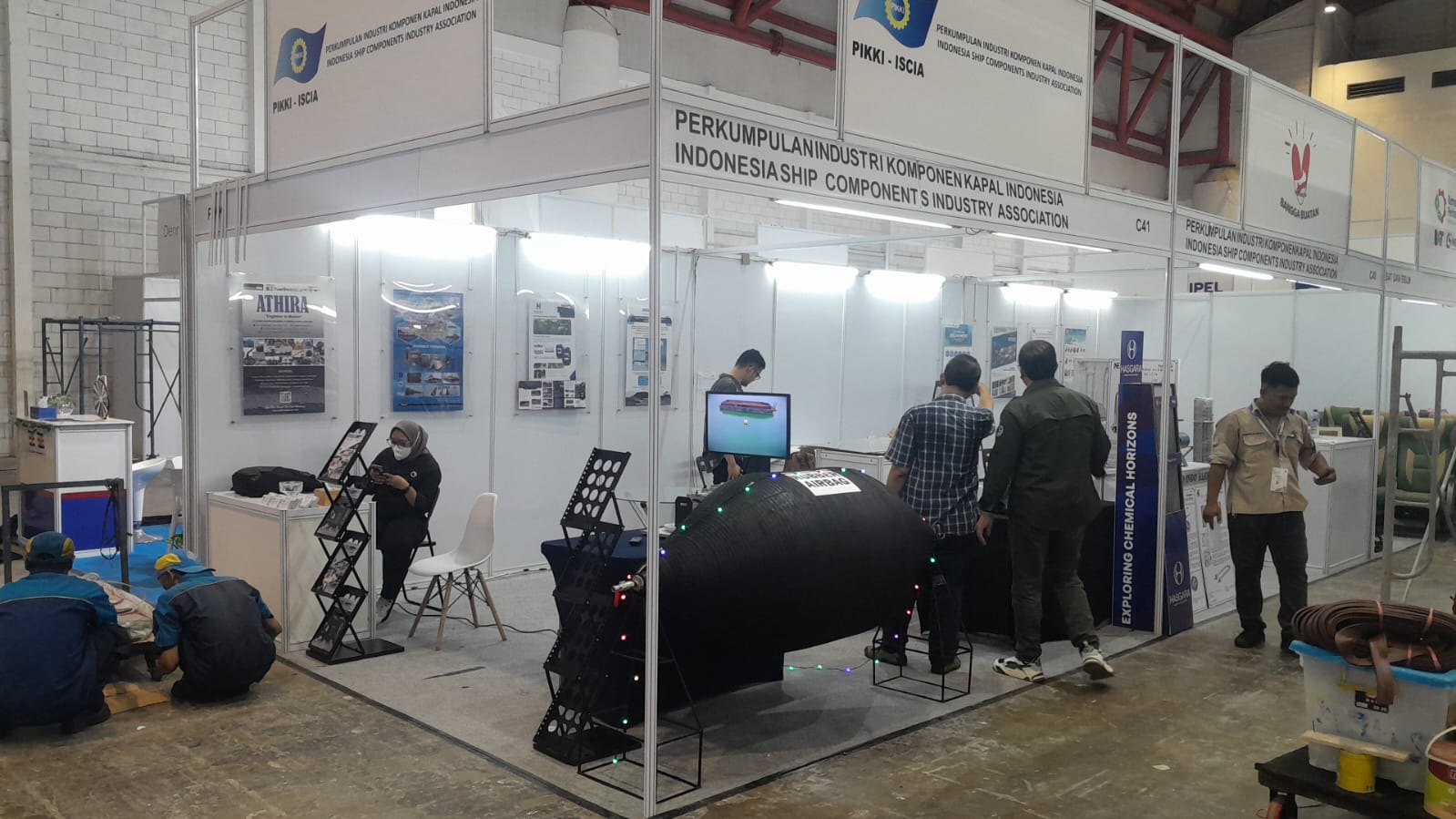
At Sea Indonesia 2025, SLP is present at Booths 37 and C41, exhibiting its flagship products such as:

  • Rubber Airbags, ship launching aids specially designed for efficiency and safety during docking processes.
  • Rubber Fenders, protective solutions for ships and docks against collisions, with designs tailored for various types of ports.
  • Other products used in port operations, shipping, and marine infrastructure sectors.

SLP’s participation marks the company’s active contribution to supporting port infrastructure and maritime safety through high-quality rubber products.

By joining Sea Indonesia 2025, Samudera Luas Paramacitra affirms its position as a strategic partner in building a resilient, sustainable, and globally competitive Indonesian maritime sector.

Pilih Mana: Rubber Waterstop Atau PVC Rubberstop?

Pernahkah Anda berpikir mengapa bangunan dari beton seperti  kolam renang, basement gedung, gorong-gorong atau bahkan bendungan raksasa, tidak bocor atau rembes walaupun dikelilingi air setiap waktu? Salah satu rahasianya ada pada komponen yang dinamakan Waterstop. Komponen ini tidak begitu kentara dalam bangunan, tapi memiliki peran krusial.

Apa itu Waterstop?  Waterstop adalah semacam “penghalang air” yang dipasang di sambungan beton konstruksi. Tujuannya adalah untuk mencegah air masuk lewat celah sambungandan merembes ke pori-pori beton yang dalam jangka panjang dapat menimbulkan kerusakan serius pada  bangunan.

Beberapa pelaksana proyek hanya mengenal hanya satu jenis Waterstop, yaitu PVC Waterstop. Sebenarnya terdapat empat jenis Waterstop yang umum di berbagai proyek konstruksi. Keempat jenis tersebut tersebut adalah  Rubber Waterstop, PVC Waterstop, Bentoinite Waterstop dan Swellable Waterstop. Rubber waterstop  dibuat dari karet alam atau sintetis. PVC Waterstop terbuat dari  bahan plastik (polyvinyl chloride). Bentonite Waterstop terbuat dari bahan bentonite yang dapat mengembang jika terna air. Sementara itu, Swellable Waterstop  terbuat dari bahan polimer sintetic hidrofilik, yang seperti bentonite, mengembang apabila terkena air.

Di lapangan, jenis yang paling luas penggunaannya adalah Rubber Waterstop dan PVC Waterstop.   Keduanya masing-masing memiliki keunggulan dan kelemahan. Untuk memilih jenis mana yang tepat untuk proyek Anda, mari kita bandingkan dari aspek kekuatan, fleksibilitas, ketahanan dan biaya.

Kekuatan. Rubber waterstop lebih kuat dan tahan terhadap tekanan  tinggi sehingga cocok untuk bangunan seperti bendungan dan saluran air besar. Sementara itu, PVC  Waterstop cukup kuat tetapi tidak sekuat  Rubber  Waterstop. Jenis ini bisa digunakan untuk bangunan penampung air, saluran air sedang, atau  basement.

Fleksibilitas. Terbuat dari karet, Rubber Waterstop sangat elastis sehingga cocok untuk permukaan yang tidak rata dan struktur bergerak. Sementara itu, PVC Waterstop bersifat lentur dan  mudah dibentuk tapi tidak seelastis Rubber Waterstop.

Ketahanan. Rubber Waterstop tahan terhadap panas, dingin dan bahan kimia. PVC Waterstop tahan tehadap air tetapi kurang kuat menghadapi suhu ekstrem.

Instalasi. Pemasangan Rubber Waterstop memerlukan tenaga ekstra karena lebih berat. Sementara itu PVC Waterstop  lebih ringan sehingga lebih mudah dipasang.

Harga. Dari segi harga, Rubber Waterstop memang lebih mahal,tetapi keamanan bangunan lebih terjamin.

Jadi pilih yang mana? Apabila proyek Anda membutuhkan daya tahan ekstra dan akan sering  terkena  tekanan atau gerakan (seperti bendungan atau terowongan), Rubber Waterstop adalah pilihan yang tepat.

PT Samudera  Luas Paramacitra memproduksi Rubber Waterstop berkualitas tinggi. Produk kami memiliki kekuatan tarik tinggi, kinerja tahan air, dan elastisitas yang baik. Karena materialnya yang terbuat dari karet yang elastis, SLP Rubber Waterstop tahan terhadap korosi, sobek, dan deformasi kompresi akibat berbagai beban.

Untuk mendapatkan informasi lebih rinci atau pemesanan produk, Anda dapat  menghubungi hotline (+62) 823 2018 9998 atau email admin@niri-rubber.com untuk keterangan lebih lanjut.

Pemasangan Mooring Bollard

Mengapa kapal yang sandar di dermaga tetap stabil sehingga bisa melakukan operasi bongkar muat secara aman? Hal ini disebabkan oleh kapal yang diikat pada tonggak baja selama bersandar. Tonggak pengikat tali kapal ini dinamakan mooring bollard, yang lebih dikenal dengan nama bollard. Dengan terikat pada bollard, kapal yang sandar dapat terhindar dari guncangan akibat gelombang dan pergeseran posisi karena tarikan arus laut atau terpaan angin.

Kekuatan bollard sangat dipengaruhi oleh pemasangannya pada struktur dermaga. Pemasangan yang keliru dan tidak sesuai standar dapat berisiko menurunnya kinerja bollard yang sangat mungkin membahayakan kapal yang berlabuh. Bagaimana instalasi bollard yang benar?

Bagian dari Bollard

Untuk mengetahui cara instalasi yang benar kita perlu memahami bagian-bagian dari bollard. Bollard terrdiri dari tiga bagian utama yaitu badan, kepala, dan dasar bollard. Badan bollard berupa tonggak berbentuk silinder yang menjadi tempat pengikat tali kapal.

Kepala bollard merupakan bagian paling atas yang biasanya berukuran lebih lebar dari badan bollard. Bagian ini berfungsi sebagai penahan tali kapal yang diikat ke badan bollard.

Dasar merupakan bagian ujung bawah bollard berbentuk lebar yang menjadi tempat bertumpu bollard. Dasar juga merupakan tempat memasang mur baut untuk angkur. Bollard dipasang menggunakan angkur yang ditanam ke dalam beton dermaga.

Pemasangan bollard

Bollard harus dipasang secara benar agar penggunaanya bebas masalah dan memiliki masa pakai panjang. Secara umum pemasangan bollard bisa menggunakan dua metode, yaitu recess mounted dan surfaces mounted. Pada recess mounted, bagian dasar tonggak dipasang dalam ceruk beton sehingga beton dermaga rata. Sedangkan pada surface mounted, bollard dipasang dengan bagian dasar di atas permukaan beton.

Sebelum dipasang harus dipersiapkan tempatnya terlebih dahulu. Apabila pemasangan menggunakan metode reccess mounted, maka pada tempat tersebut dibuat ceruk. Ukuran ceruk disesuaikan dengan dimensi dasar bollard baik dari segi tinggi, lebar maupun panjangnya.

Sedangkan pada metode surface mounted, cukup ditentukan tempatnya sesuai dengan lebar dan panjang dasar bollard. Tempat tersebut kemudian dibersihkan dari kotoran seperti pasir atau benda-benda lain yang dapat mengganggu

Tahap selanjutnya adalah pemasangan angkur. Terdapat dua cara pemasangan angkur yaitu dengan ditanam (embedded) atau dengan dibor (drill). Pada cara embedded, angkur ditanam dengan dicor pada struktur dermaga. Sedangkan pada metode drill, beton dibor untuk memasukkan baut angkur dalam struktur dermaga.

Sebelum dipasang, bollard perlu diangkut dari tempat penyimpanan secara aman menggunakan crane atau alat angkut lain. Kemudian siapkan plat dan pasang bollard selaras dengan posisi angkur. Setelah posisinya tepat, mur dipasang dan dikencangkan.

Bollard yang sudah terpasang perlu diperiksa secara menyeluruh untuk memastikan posisi yang tepat, presisi dengan angkur, mur dan baut kencang. Selanjutnya harus dilakukan uji untuk memastikan daya dukung beban bollard dan kepatuhan terhadap standar dan peraturan terkait.

Terakhir adalah finishing untuk melindungi bollard dari korosi dan kerusakan akibat pengaruh lingkungan. Caranya dengan perawatan permukaan yang sesuai seperti pengecatan, dan galvanisasi. Drainase atau lubang air harus diperiksa, dan jika perlu, drainase dibersihkan untuk menjamin berfungsi sebagaimana mestinya.

Dengan mengikuti prosedur pemasangan yang benar,  bollard dapat bekerja secara maksimal. Apabila Anda memerlukan informasi lebih mendalam mengenai metode dan teknik pemasangan bollard, silakan menghubungi Samudera Luas Paramacitra (SLP) di 0823-2018-9998.

Maintenance to Ensure the Optimal Performance of Fender

Fenders are vital port equipment that play an essential role in ensuring maritime transport safety and security. They prevent damage to ships and docks by avoiding direct collisions between ships and docks as well as between moored ships. To function optimally, fenders must be maintained properly. In addition, proper maintenance will extend their service life, resulting in cost savings.

Why must fenders be well-maintained? This equipment operates under extreme conditions, making it prone to damage. These extreme conditions include constant ship impacts, exposure to the sun, immersion in seawater, and strong winds.

The fender maintenance system consists of three stages: inspection, repair, and replacement.

Inspection
The purpose of inspection is to ensure that the fender is functioning at all times. There are three types of inspections: initial inspection, periodic inspection, and incidental inspection.

  • Initial inspection is performed after installation to ensure that the fender is fully ready for use.
  • Periodic inspection aims to assess the effectiveness of the fender at any given time. These inspections are carried out systematically according to a schedule. Inspections are usually done on a daily, quarterly, and annual basis.
    • Daily inspections focus on visible issues, such as the fender falling into the sea, shifting position, or loose fender panel chains. Daily inspections are often part of the routine technical inspection of the entire dock.
    • Quarterly inspections aim to examine more detailed aspects, such as torn fender bodies, cracked rubber, or bent metal panels. Quarterly inspections also look for damage to accessories, such as loose screws, missing bolts, or other detached components.
    • Semi-annual inspections focus on maintaining long-term durability, such as checking for rust, fading paint, or loss of anti-corrosion coatings.
    • Annual inspections involve a comprehensive check and evaluate the fender’s lifespan. Expired fenders must be replaced.

Incidental inspections are conducted to detect fender damage caused by specific events, such as fires, high waves, excessive ship movement due to storms, earthquakes, tsunamis, and so on.

Repair
The second step in fender maintenance is repair. Of course, repairs are carried out based on findings from inspections. For example, if a fender falls into the sea, it should be reinstalled. If the fender has shifted, it should be returned to its correct position. When loose nuts and bolts are found, they should be tightened immediately. Similarly, if significant corrosion is discovered, it should be cleaned and coated with anti-corrosion material or paint.

It is important to note that repairs should be done as soon as a deviation or damage is found. Delaying repairs can exacerbate the damage and endanger the operations of both the ship and the dock.

Repairs and Replacement
A study mentions that to ensure fenders function optimally at all times, they must undergo two types of comprehensive repairs: interim maintenance and overhaul. Interim maintenance is done every 4 years, covering repairs to rubber fenders, steel panels, panel coatings, chains, as well as nuts and bolts. Overhaul maintenance is done every 15 years and includes repairs to all components.

If an inspection reveals damage that cannot be repaired, either to individual components or the entire fender, replacement is required. Replacement is also necessary when the fender has exceeded its usage lifespan. Using expired fenders is extremely dangerous for the dock, ship, and its operators.

Good maintenance not only saves costs but also ensures optimal port service. If you need more detailed information about fenders, please contact PT Samudera Luas Paramacitra (SLP) at 0823-2018-9998.