Rubber Fenders in Emergency Supply Chains

In natural disaster situations such as earthquakes, tsunamis, major floods, and extreme weather events, the smooth flow of emergency logistics is a critical factor in the success of crisis response. Humanitarian aid must be delivered quickly, safely, and sustainably to ensure timely access to affected areas.

As an archipelagic and maritime nation, Indonesia relies heavily on ports as key nodes in national logistics distribution, including during emergency conditions. Ports function not only as entry points for humanitarian assistance but also as consolidation and distribution hubs for disaster-affected regions.

Operational Challenges at Ports During Disasters

Ports operating under emergency conditions face significantly greater operational pressures compared to normal situations, including:

  • A sudden surge in humanitarian aid vessel traffic within a short period
  • Limited vessel maneuverability due to damaged port facilities or adverse water conditions
  • High impact loads during berthing operations
  • Extreme time pressure in the loading and unloading of humanitarian logistics

Without adequate infrastructure protection systems, the risk of damage to both quay structures and vessels increases substantially. Such conditions may lead to port shutdowns and disruption of the emergency supply chain.

One port infrastructure component that is often overlooked yet plays a crucial role is the quay rubber fender system. Rubber fenders are protective systems designed to absorb berthing impact energy, thereby safeguarding both quay structures and vessel hulls.

In emergency situations, the role of rubber fenders becomes even more vital, as humanitarian vessels often need to berth rapidly, under weather conditions that may be unfavorable, and with limited maneuvering precision.

Contribution of Rubber Fenders to Emergency Supply Chain Continuity

In emergency supply chains, every minute is extremely valuable. Properly functioning rubber fender systems have a direct impact on logistics efficiency, including:

  • Accelerating the berthing process of humanitarian vessels by minimizing collision risks
  • Reducing quay downtime caused by structural damage
  • Enhancing safety during loading and unloading operations, particularly for humanitarian cargo

With adequate protection in place, quays can continue operating continuously even under extreme operational stress.

To perform effectively under extreme conditions, port rubber fenders must meet the following technical requirements:

  • High Energy Absorption
    The ability to absorb large impact energies is essential to accommodate humanitarian vessels of varying sizes and cargo loads.
  • Controlled Reaction Force
    Excessive reaction force can damage quay structures. A well-designed fender system balances energy absorption with controlled reaction forces.
  • Material Durability
    Rubber fenders must withstand intensive use, prolonged exposure to seawater, extreme weather variations, and repeated loading over extended periods.
  • Stable Performance in Extreme Conditions
    Fenders must maintain reliable performance under high waves, strong currents, and limited vessel maneuverability.

Selecting the appropriate rubber fender specifications is therefore critical to maintaining quay reliability during disaster situations.

Supporting Safe Berthing and Aid Distribution

Humanitarian aid vessels typically carry heavy cargo and are required to operate at high speed. Rubber fenders serve as the first line of protection, enabling vessels to berth safely even when port conditions are less than ideal.

With a reliable fender system in place, loading and unloading operations can be conducted more quickly, more safely, and with a lower risk of damage. This directly accelerates aid distribution to affected areas and enhances the overall effectiveness of disaster response efforts.

PT Samudera Luas Paramacitra has been manufacturing a wide range of high-quality fender systems for more than two decades. For orders or technical consultations regarding fender products, please contact our Hotline: (+62) 823 2018 9998.

Selecting and Maintaining Rice Hulling Rollers

The Minister of Agriculture of the Republic of Indonesia has set a target to achieve rice self-sufficiency by 2026. To realize this goal, the rice milling industry plays a crucial role in converting paddy into high-quality rice. One of the key factors determining the success of this process is the proper use of rice hulling rollers.

Rice hulling rollers are the main components of husker machines, functioning to remove the husk (hull) from paddy and produce rice. Optimal performance of rice hulling rollers results in a high husk removal rate, better rice yield, minimal broken grains, and a stable and efficient milling process.

Rice hulling rollers operate based on the principle of friction and differences in rotational speed between two opposing rollers. Paddy passing between the rollers while experiencing controlled pressure and friction, allowing the husk to be removed effectively without damaging the rice kernel. For optimal hulling performance, rice hulling rollers must have appropriate hardness, proper elasticity, and a surface capable of gripping paddy grains consistently.

To ensure maximum machine performance, selecting the right rice hulling roller should be done carefully by considering the following aspects:

  • Material Quality. High-quality rice hulling rollers are made from specialized rubber compounds with a balanced formulation of hardness and elasticity. The right material effectively removes the husk without increasing the level of broken rice.
  • Compatibility with Machine Capacity. Each rice milling machine has a different processing capacity. Therefore, rice hulling rollers must be matched to the machine capacity to ensure optimal performance and prevent premature wear.
  • Dimensional Precision and Balance. Rollers with precise diameter and proper balance provide uniform hulling pressure, reduce machine vibration, and maintain consistent milling results.
  • Service Life and Operational Efficiency. Rice hulling rollers with longer service life help reduce maintenance costs, minimize machine downtime, and improve long-term operational efficiency.
  • Manufacturer Support and Proven Quality. Choosing rice hulling rollers from experienced manufacturers with clear quality standards ensures reliable performance and better technical support.

In addition to proper selection, maintenance of rice hulling rollers significantly affects machine performance and milling quality. Recommended maintenance practices include adjusting the roller gap according to machine specifications, maintaining ideal paddy moisture content before milling, conducting regular wear inspections, replacing rollers before excessive wear occurs, and avoiding machine operation beyond its designed capacity.

As part of its support for the national rice milling industry, PT Samudera Luas Paramacitra (SLP) manufactures high-quality rice hulling rollers in various brands, milling capacities up to 140 tonnes of dry rice grain, and roller sizes tailored to machine requirements.

With over 40 years of experience and ISO 9001 certification, PT Samudera Luas Paramacitra implements strict quality control from raw materials to finished products. Each roller undergoes a series of tests, including rheometer testing to control and ensure rubber compound quality, as well as visual and dimensional inspections to verify roller balance and hardness.

By using high-quality rice hulling rollers from PT Samudera Luas Paramacitra, rice milling plants can make a tangible contribution to achieving sustainable national rice self-sufficiency.

📞 Product Orders and Consultation: +62 823-2018-9998

Choosing the Right Rubber Airbags

Safety and efficiency are the foundations of shipyard industrial operations. Every process, from hauling a vessel ashore to launching it back into the water, involves significant risks. Operational efficiency is also essential to maintain the industry’s growth.
This is why rubber airbags play such an important role. This equipment is crucial in shipyard operations for the following reasons:

  • Efficient Ship Launching. Airbags provide high lifting capacity and even load distribution, enabling faster ship launching with less manpower and reduced risk of damage.
  • Improved Workplace Safety. Proper material quality and design help minimize potential accidents. High-quality airbags maintain vessel stability during docking and launching process.
  • Flexible Use. Unlike steel rails, rubber airbags can be reused for vessels of various sizes and shapes. This flexibility makes them highly economical for both small and large shipyards.
  • Minimal Upfront Investment. Rubber airbags do not require plenty of shipyard construction prior to their use, unlike graving docks or dry docks. Airbags can operate in a flat, clean surface. Therefore, significantly reducing upfront investment to the shipyard owners.

However, the effectiveness and efficiency of airbags greatly depend on their quality and specifications. Therefore, choosing the right rubber airbag is crucial for shipyard companies. Below are several key factors that must be considered:

1. Check the Quality of the Rubber Material

The main components of an airbag are its rubber layers and reinforcing fabric (synthetic tire cord). Low-quality material will easily crack, peel, or lose elasticity. Ensure that the airbag has an outer rubber layer that is resistant to abrasion and marine weather, an inner layer with high air-tightness, and multiple reinforcement layers (typically 3–7 plies).

2. Choose the Right Layer Structure Based on Load

The larger the vessel, the higher the internal pressure and shear force that the airbag must endure. Therefore, the ply structure must be carefully matched to the expected working load. The recommended ply configuration is as follows:

  • 3–4 plies — suitable for small vessels such as tugboats and speedboats.
  • 5–6 plies — ideal for medium-sized cargo vessels and barges.
  • 7 plies or more — required for large vessels and heavy-duty hauling operations.

3. Ensure Certification and Quality Standards

Airbags should comply with international standards such as ISO 14409 (Ship Launching Airbags) and other shipbuilding manufacturing standards. Certified products are also accompanied by pressure tests, rubber physical properties tests, and leakage tests. Certification ensures that the airbags are safe for heavy-duty operations.

4. Choose the Appropriate Size and Diameter

Common airbag sizes range from 0.8 m to 2.0 m in diameter, with effective lengths of 5 m to 20 m. Size selection depends on vessel width, tonnage, and launching/docking method. Shipyards must calculate the required number of airbags and their spacing to ensure even load distribution, such procedure is standardized under ISO 17682 (Methodology for ship launching utilizing air bags).

5. Check Safety Features and Supporting Accessories

High-quality airbags come equipped with leak-proof air valves, valve protection caps, reinforced end fittings (end metal parts), and safety ropes when needed. Avoid using airbags without standard accessories as they may increase operational risk.

PT Samudera Luas Paramacitra has extensive experience in supplying marine equipment, including high-quality rubber airbags. If you need more detailed information about rubber airbags, please contact our hotline at (+62) 823 2018 9998 or email admin@niri-rubber.com.
Choosing the Right Pipe Expansion Joint

Imagine a piping system that runs continuously – delivering hot water, steam, or high-pressure fluids from one point to another. At the start of installation, everything seems perfect: tight connections, stable pressure, smooth flow. However, over time, temperatures rise, pressure increases, and the pipes begin to expand. Without room to move, the pipe joints start to strain. Tiny vibrations from pumps and machines occur every second, adding invisible stress. Eventually, small cracks appear, leaks develop, and the entire system is forced to shut down.

The losses can be tremendous—not only the repair costs but also production downtime, equipment damage, and even safety risks. Problems like these often occur not because of poor pipe quality, but due to the absence of a proper expansion joint.

Why Are Expansion Joints So Important?

In a piping system, an expansion joint acts as a “stress absorber.” This component is designed to accommodate expansion, contraction, vibration, and movement caused by changes in temperature and pressure. Without an expansion joint, the pipes have no room to move. Every temperature change causes metal expansion, and every machine vibration is transmitted directly to the joints. Over time, this leads to cracks, leaks, or even total structural failure.

Using the right expansion joint keeps connections secure, reduces vibration, and extends the lifespan of the piping system. For this reason, this small component is often called the invisible protector of industrial reliability.

How to Choose the Right Pipe Expansion Joint

Every piping system has its own characteristics and requirements. To determine the ideal expansion joint, several important factors must be considered.

First, understand the function and operating environment of your piping system.
Is the pipe used for water, steam, gas, or chemicals? Is it located outdoors in hot conditions, in a high-pressure room, or in a humid and corrosive environment?

For water systems orang medium-pressure piping, rubber expansion joints are the best choice. Made from elastomer materials such as EPDM or neoprene, this type effectively absorbs vibration, reduces noise, and resists mild corrosion.

If the system operates under high pressure or extreme temperatures, then metal expansion joints are the answer. Made of stainless steel with a corrugated structure, this type is designed to handle extreme conditions while remaining stable under pressure.

Meanwhile, for hot air or exhaust gas systems, fabric expansion joints are commonly used. Lightweight, flexible, and heat-resistant, they are ideal for ventilation and industrial air duct applications.

Next, consider technical factors and operating conditions. The expansion joint must be compatible with the type of pipe movement—axial, lateral, or angular. If the system experiences frequent vibrations from pumps or machines, choose a type that can efficiently absorb vibration.

Pay attention to the environment where the piping system operates. In coastal areas, use corrosion-resistant materials. In high-temperature zones, make sure the material has good heat resistance. Every detail affects the system’s service life and stability.

Finally, ensure the product you select is certified under international standards such as EJMA (Expansion Joint Manufacturers Association), ASME (American Society of Mechanical Engineers), or ISO (International Organization for Standardization). These standards guarantee that each expansion joint has been tested for strength, durability, and operational safety.

PT Samudera Luas Paramacitra (SLP) provides various types of pipe expansion joints that meet international standards and are designed for diverse industrial applications. With the support of an experienced technical team, we are ready to help you determine the best solution to keep your piping system reliable and long-lasting. Contact us at Hotline (+62) 823 2018 9998 or Email: admin@niri-rubber.com.

Choosing the Right Concrete Expansion Joint

In every construction project, there is an important component that is often overlooked but plays a major role in maintaining structural reliability — the concrete expansion joint. This component functions to absorb movement, vibration, and temperature changes in concrete structures, thereby preventing cracks or serious damage in the future.

However, not all concrete expansion joints have the same specifications and quality. Choosing the right one greatly affects the safety, efficiency, and lifespan of the structure. The following is a guide to selecting the most suitable expansion joint for your project.


1. Understand the Function and Project Requirements

The first step is to understand the purpose and location of the expansion joint installation.
For high-rise buildings, expansion joints serve to accommodate movement due to temperature changes or minor vibrations from building activities. Meanwhile, for bridges, highways, and open concrete areas, these components help keep the surface level during expansion and contraction caused by temperature variations or traffic loads.


2. Choose the Right Material Type

There are several material types that determine the performance and durability of expansion joints in concrete applications:

  • Rubber Expansion Joint – Made from elastomeric materials, this type is highly flexible, water- and chemical-resistant, and ideal for areas with high movement such as highways, parking areas, or industrial floors.
  • Bituminous Fiber Board – Made from fiber mixed with asphalt, this type withstands extreme weather and is popular for roads, sidewalks, and outdoor areas.
  • PVC / Plastic Expansion Joint – Lightweight, corrosion-resistant, and easy to install. Commonly used in commercial and residential construction projects.
  • Foam Joint (Polyethylene or Polyurethane) – Flexible and adaptable in shape, ideal for concrete areas requiring significant expansion but not bearing heavy loads.

3. Consider the Operational Environment

The environmental conditions where the expansion joint is installed significantly affect its durability.
If the project is located in coastal or humid areas, choose materials with anti-corrosion protective coatings. For regions with high temperatures or direct sunlight exposure, use joints with high heat resistance and flexibility. Meanwhile, in earthquake-prone zones, select types capable of withstanding both horizontal and vertical movements without losing elasticity.


4. Ensure Product Quality and Standards

A good concrete expansion joint must comply with international standards such as ASTM (American Society for Testing and Materials) or ISO (International Organization for Standardization). Certified products ensure long-term performance, safety, and durability. Avoid products without clear technical specifications — a single mistake in a joint can cause major damage throughout the entire concrete structure.


Selecting the right concrete expansion joint is a long-term investment to maintain the strength and durability of your structure.
If you need high-quality concrete expansion joints, please contact PT Samudera Luas Paramacitra (SLP). Our technical team is ready to provide recommendations according to your project needs.

📞 Hotline: (+62) 823 2018 9998

Understanding International Standards for Rubber Fender Production

A rubber fender is a vital protector that safeguards docks and ships from damage during the docking process. However, the quality of the fender cannot be judged solely by its shape or size. The rubber’s durability against saltwater, tensile strength, elasticity, and resistance to extreme weather conditions are equally important components that are not immediately visible.

In rubber fender production, international standards are not just “standard rules,” but also a guarantee of quality. These standards ensure that each fender performs according to operational needs, is safe to use, and is durable over the long term.

Several international organizations have established specific guidelines for rubber fenders. Trusted manufacturers always refer to the following standards:

  1. PIANC Guidelines: PIANC is an international organization frequently used as a reference in the maritime industry. PIANC guidelines emphasize three key aspects of fender performance: energy absorption, reaction force, and performance curves. By adhering to PIANC, manufacturers ensure that their fenders provide optimal protection for both ships and docks.
  2. ISO (International Organization for Standardization): Several ISO standards relevant to rubber fenders include ISO 9001 for quality management systems and ISO 14001 for environmental management systems. Compliance with ISO standards demonstrates that a company focuses not only on product quality but also on environmental sustainability.
  3. ASTM (American Society for Testing and Materials): ASTM provides material testing standards for rubber, such as:
    • ASTM D412 for elongation strength,
    • ASTM D2240 for rubber hardness,
    • ASTM D429 and D471 for saltwater resistance,
    • and various aging and durability tests.

These standards ensure that the raw materials used are strong and have a long service life.

Using rubber fenders manufactured according to international standards offers numerous benefits:

  • Maximum protection for docks and ships.
  • Longer service life, reducing maintenance costs.
  • Increased customer or investor confidence, as port infrastructure is built to global standards.
  • Support for sustainability, especially if the manufacturer also adheres to environmental management system standards.

As a manufacturer committed to quality, PT Samudera Luas Paramacitra always follows the guidelines of PIANC, ISO, and ASTM. This ensures that each fender we produce provides optimal protection, longevity, and reliability.

For more information and orders, please contact our hotline at (+62) 823 2018 9998 or via email at admin@niri-rubber.com

The Contribution of Fender to Smooth Maritime Logistics

Indonesia’s national logistics costs are relatively high, around 24% of GDP (source to be cited – e.g., BPS data for 2022). One of the reasons for this is the suboptimal infrastructure of ports, which serve as the backbone of interregional goods distribution. In this process, fenders play a simple yet vital role in ensuring the safety of ships, docks, and the smooth operation of maritime logistics chains.

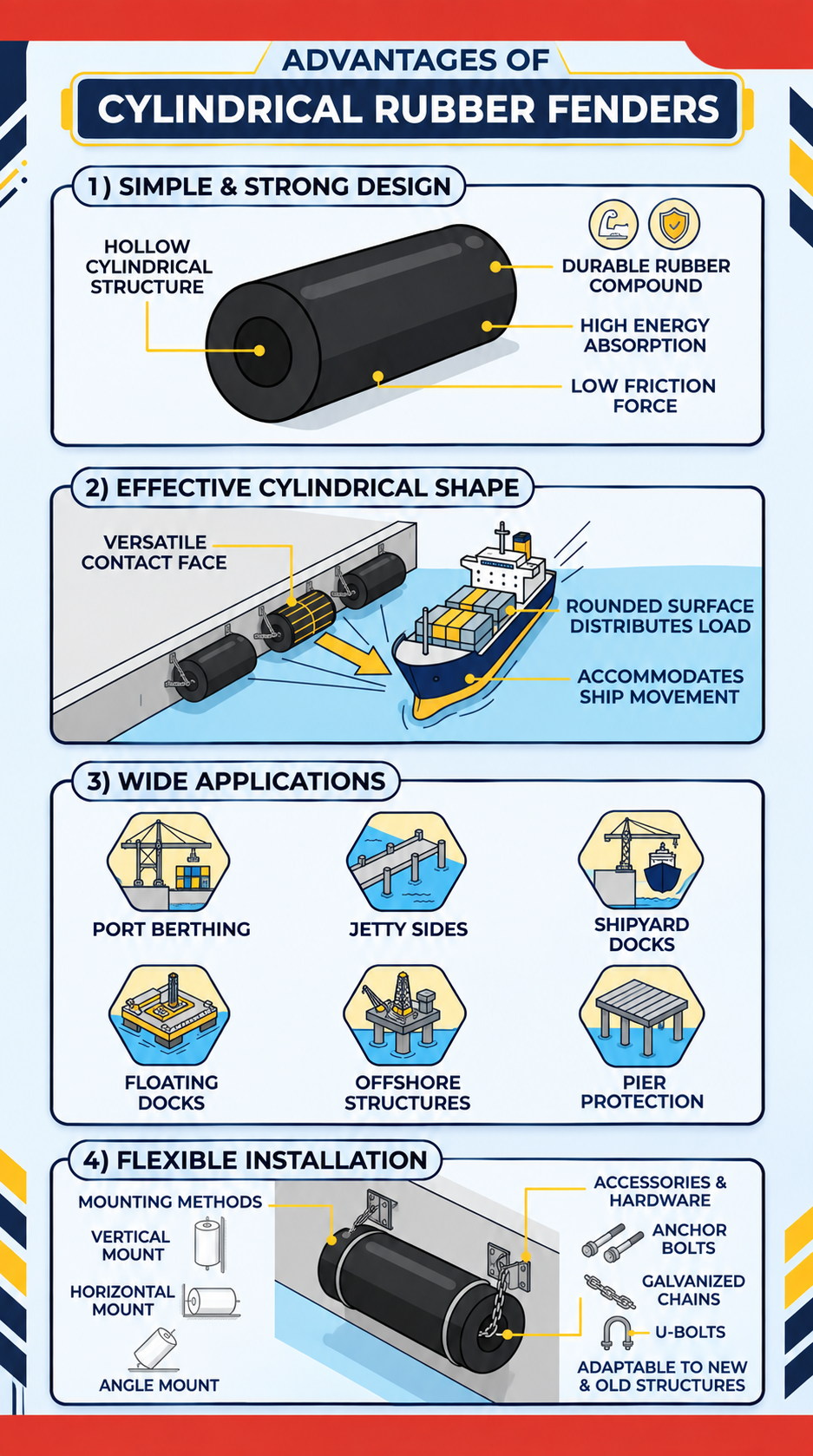
A fender is a rubber-based device used as a shock absorber, installed on docks or ships’ hulls. It absorbs the impact energy when a ship docks, preventing damage to both the port structure and the ship itself.

Various types of fenders are used according to needs, ranging from cylindrical, V-shaped, cone-shaped, and other types. All are designed with the same goal: to ensure that the docking process runs safely, efficiently, and sustainably.

Fenders contribute to the safety of port infrastructure and the smoothness of maritime logistics in the following ways:
• Reducing damage costs.
Damage to docks and ships due to collisions can lead to high repair costs. If left unaddressed, these costs will contribute to the high national logistics expenses. Fender helps minimize these risks.

• Maintaining port infrastructure performance.
Docks are strategic infrastructure with a high investment value. Fender protects the port structure to ensure it remains durable, allowing the infrastructure to be used sustainably without disruption.

• Supporting supply chain efficiency.
The stability of ships when docking accelerates the loading and unloading process. This time efficiency directly impacts the smooth distribution of goods, both domestically and internationally.

• Securing maritime logistics investment.
Maritime logistics is a vital sector in reducing interregional distribution costs in Indonesia. With fenders in place, port operators and ship owners can reduce the risk of loss while protecting infrastructure investments.

• Contributing to sustainability.
By preventing damage to the ship’s hull or dock, fenders reduce the potential for leakage of hazardous cargo. This supports efforts to preserve the marine environment, which serves as a key trade route for national commerce.

In efforts to reduce national logistics costs, optimizing port infrastructure is key. Fender, as a simple yet vital device, plays a significant role in ensuring safety, efficiency, and sustainability in maritime logistics. Therefore, investing in fenders is not just a technical matter for ports, but also a contribution to improving Indonesia’s economic competitiveness.

For more detailed information regarding various types of fenders for construction and maintenance projects, please contact PT Samudera Luas Paramacitra (SLP) at the hotline (+62) 823 2018 9998 or email admin@niri-rubber.com

Kade Meter – The Perfect Guide for Ships Docking at the Pier

Have you ever wondered how a large ship can stop exactly at the desired position at a pier? The secret lies in the Kade Meter – a distance marker board with large, contrasting yellow numbers on a black background that is easily visible from approaching ships. The material used is typically thick industrial rubber. Rubber is chosen for its durability against sunlight, seawater exposure, and light impacts.

Why is the Kade Meter Important?

  • Docking Accuracy – It helps the captain or pilot direct the ship so that the loading door or a specific point on the hull is precisely at the desired position.
  • Operational Safety – It prevents the ship from stopping in shallow areas or too close to the pier structure, reducing potential risks.

Kade Meters are consistently installed every 10–20 meters along the pier. The installation position is carefully calculated to ensure the numbers are easily readable from the ship. With stainless steel bolts or special industrial adhesives, the Kade Meter is securely installed and always faces the sea to ensure optimal visibility.

Simple Maintenance

Maintaining the Kade Meter is simple: just clean it regularly to remove moss, salt, and dirt. After storms, inspect the Kade Meter to ensure it remains secure. If the paint begins to fade or the rubber cracks, a quick replacement will keep its functionality at its best. With proper maintenance, the Kade Meter can serve as a reliable visual guide at your pier for many years.

Samudera Luas Paramacitra offers premium quality Kade Meters produced according to ISO 9001 quality management standards. Designed for long-term durability in marine environments, our products are ready to be your pier’s reliable solution.

📞 Contact us at +62-823-2018-9998 or 📧 email admin@niri-rubber.com for orders and consultations.

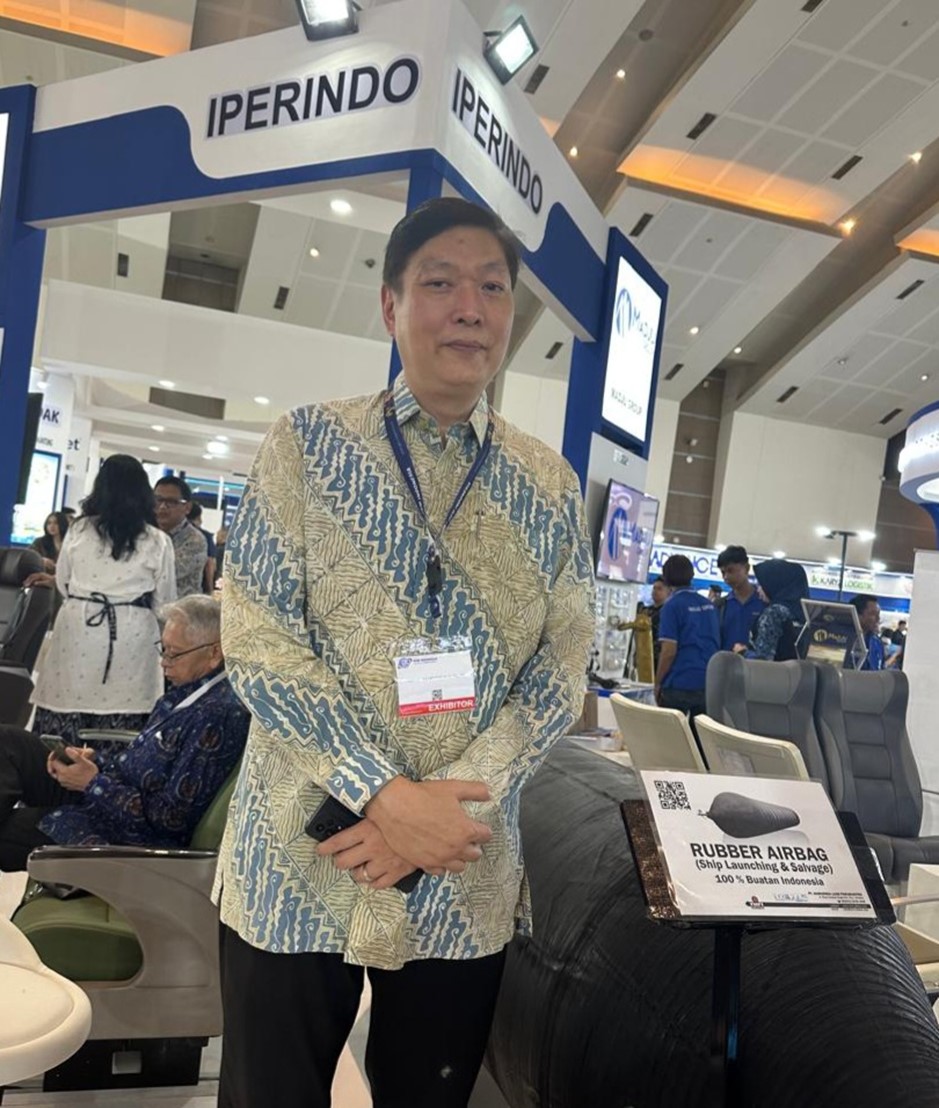
SLP Rubber Airbag Captures Attention at Inamarine 2025

The flagship product of Samudera Luas Paramacitra (SLP), the rubber airbag, successfully captured the attention of maritime industry players at the Inamarine 2025 exhibition held at JIExpo Kemayoran from July 29 to 31, 2025.

This largest maritime exhibition in Indonesia was officially opened by the Coordinating Minister for Infrastructure and Regional Development, Agus Harimurti Yudhoyono (AHY). In his speech, AHY emphasized the importance of synergy between public policies and private innovations, especially in the transportation and maritime sectors. He stated that this sector is the foundation of national development and must continue to be encouraged to enhance Indonesia’s global competitiveness. The Inamarine forum is a strategic venue for collaboration between the government and industry players.

SLP responded to this challenge by showcasing its high-quality rubber airbag product, specially designed for ship launching and lifting needs. The product attracted a lot of attention, especially from shipyard companies both domestically and internationally.

With its ability to support heavy loads, high flexibility, and durability in extreme conditions, the SLP Rubber Airbag is an efficient and modern solution for the ship docking and launching process. Many visitors immediately scheduled further technical discussions outside the exhibition.

Anita Puji Utami, the Chairperson of IPERINDO (Indonesian Shipbuilding and Offshore Industry Association), welcomed the presence of new products from SLP at Inamarine 2025. She highly appreciated the SLP Rubber Airbag as the first 100% locally made product from Indonesia. This product will strengthen the shipbuilding industry in particular and the maritime industry in general.

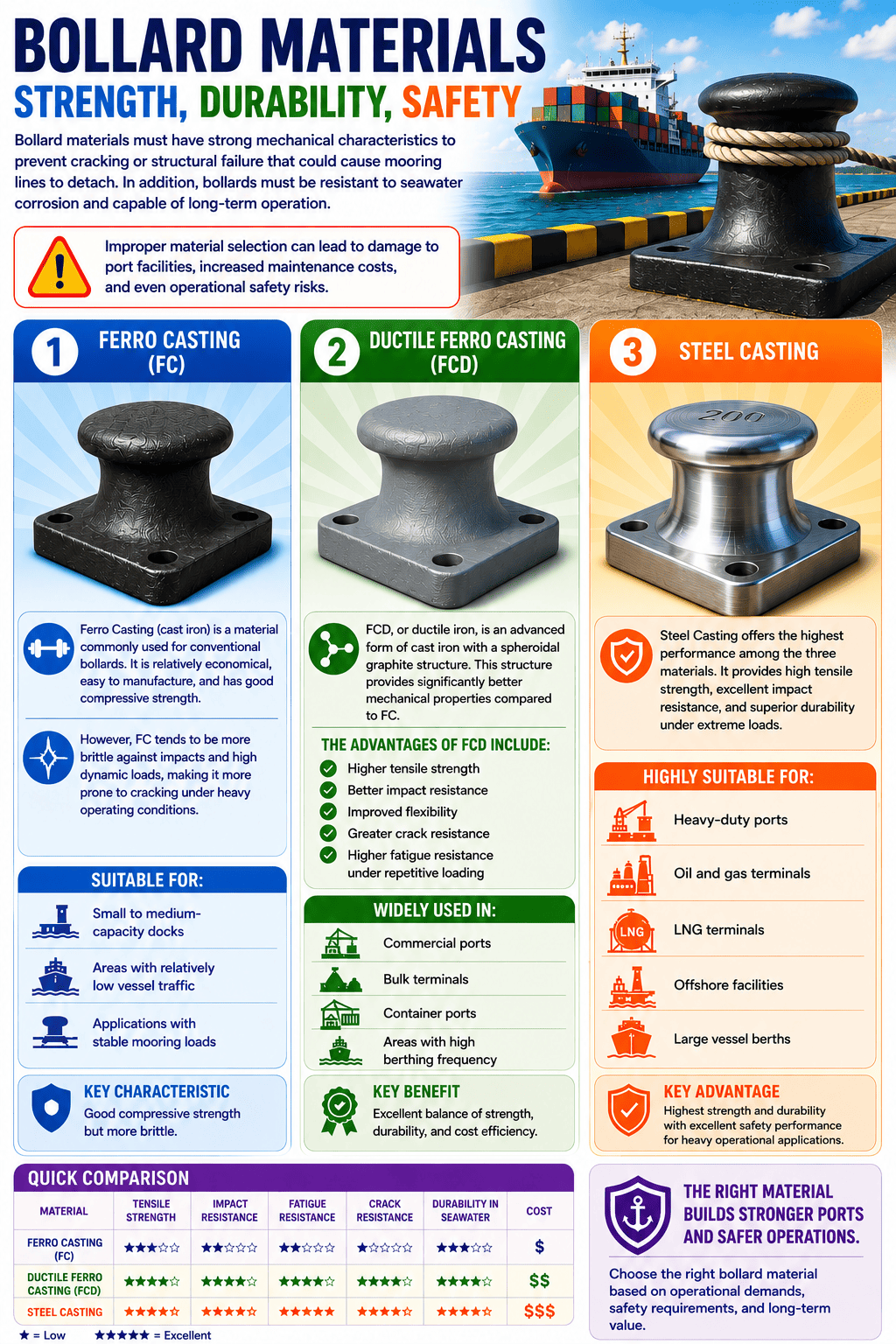
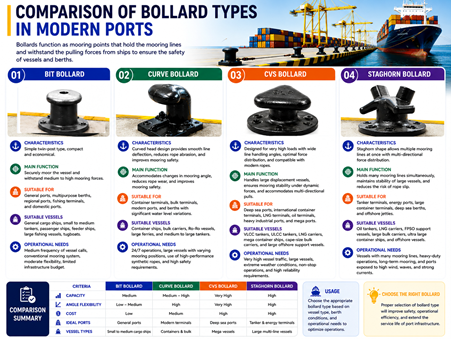
In addition to the rubber airbag, SLP also introduced other leading products at Inamarine 2025, such as rubber fenders and mooring bollards. All are designed to support smooth and safe mooring systems as well as dock protection.

SLP’s presence at Inamarine 2025 is proof that local companies can compete globally. With quality, innovation, and the spirit of building the national industry, SLP demonstrates that the future of Indonesia’s maritime industry lies in the hands of the nation’s children.

SLP Participate in INAMARINE 2025

PT Samudera Luas Paramacitra (SLP) will take part in INAMARINE 2025, which will be held from July 29 to 31, 2025 at JIExpo Kemayoran, Jakarta. SLP will be present at IPERINDO Booth No. 24.

INAMARINE is an international exhibition and business forum in the maritime, shipping, and offshore sectors. INAMARINE 2025 aims to strengthen the competitiveness of the national maritime industry, expand business networks, and showcase the latest technologies and innovations from around the world. The event also serves as a platform for discussions on policy, investment, and technical collaboration among business players, government institutions, and industry associations.

Over the course of three days, INAMARINE 2025 will feature:

  • An international trade exhibition in the fields of shipping, offshore, marine logistics, ports, and fisheries.
  • Industry seminars and forums, discussing government policies, technology trends, and strategic global maritime issues.
  • Business matching and networking sessions, connecting potential business partners and investors.
  • Product and technology demonstrations, including heavy equipment, marine technology, and port digitalization solutions.

INAMARINE 2025 will host over 500 exhibitors from various countries, including Indonesia, South Korea, Japan, China, Singapore, the Netherlands, and Germany. These participants include ship and maritime component manufacturers, port and offshore service providers, marine logistics and offshore energy companies, marine technology and system suppliers, as well as government agencies and industry associations.

At this exhibition, PT Samudera Luas Paramacitra is ready to showcase a wide range of flagship products for various port, shipping, and national infrastructure construction projects, including:

  • Rubber Fender – a solution for protecting docks and vessels from impact.
  • Rubber Airbag – an efficient and cost-effective technology for ship launching and docking.
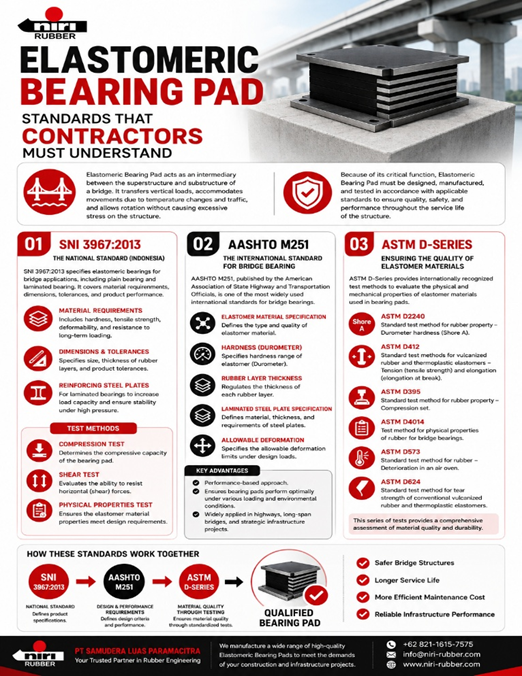
  • Elastomeric Bearing Pad – a crucial component for bridges and building structures, offering flexibility and resistance to dynamic loads.
  • Mooring Buoy – floating devices used to moor vessels in open waters.
  • Mooring Bollard – a mooring device used at ports, designed to withstand high tensile loads.

Additionally, visitors are welcome to consult directly with SLP’s technical team regarding product needs for various maritime and port projects, including custom solutions for specific applications.

Feel free to visit PT Samudera Luas Paramacitra at IPERINDO Booth No. 24.

Flags Widget powered by AB-WebLog.com.